General Contractor: Your Reliable Specialist for Residential Undertakings
A general contractor takes on a fundamental role in residential work. They direct assorted components of construction, confirming that everything runs smoothly. Their expertise with construction codes and regulations enables them to overcome the complexities of permits and inspections. This expert serves as a key link between homeowners and specialist contractors. However, many homeowners remain unsure about the total scope of their services. Understanding these details can greatly impact the success of any renovation project endeavor.
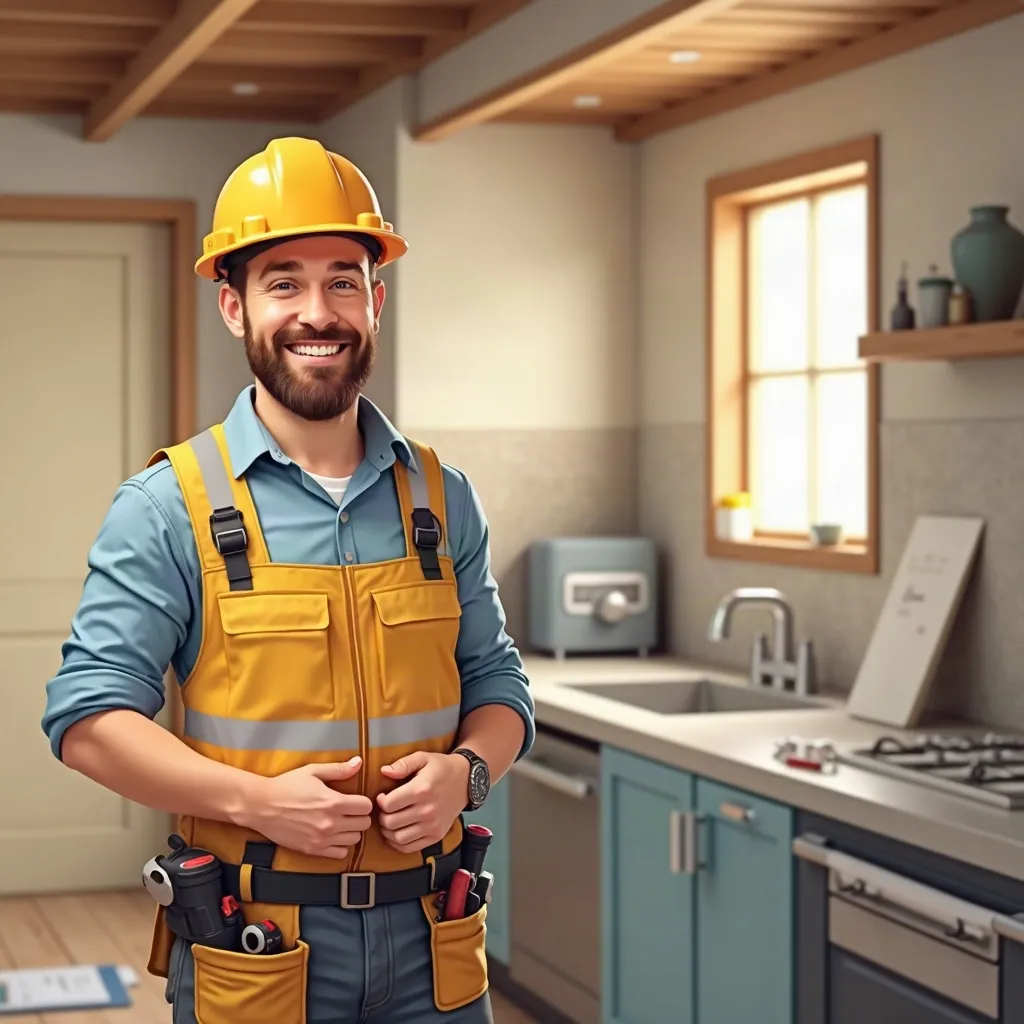
What Does a General Contractor Handle?
A construction manager orchestrates the different components of a building endeavor, ensuring that all aspects proceed seamlessly from start to finish. They function as the primary point of contact, overseeing correspondence between clients, subcontractors, and vendors. This role involves examine now planning the project timeline, organizing labor, and ensuring adherence with local building codes and requirements.
General contractors are in charge of acquiring required licenses and arranging inspections, which are essential to maintaining safety and quality standards. They also manage budgeting, sourcing materials, and managing on-site activities to prevent any possible setbacks or complications. In addition, they oversee subcontractors, ensuring that each phase of construction conforms to project specifications and timelines. Overall, a general contractor's knowledge and management abilities are crucial for completing a successful construction project, turning a client's vision into reality while balancing multiple tasks and responsibilities.
Using a skilled builder for home renovations provides numerous benefits that can substantially enhance the efficiency and quality of the project. General contractors deliver expertise in project management, ensuring timelines are met and resources are allocated efficiently. Their established connections with trade specialists can produce better pricing and superior workmanship, which ultimately helps property owners time and money.
Furthermore, project managers address the intricate details of approvals and reviews, limiting conceivable compliance concerns. They also supply a single point of contact, simplifying communication and coordination among multiple specialists. This streamlining lowers the probability of misunderstandings and delays.
Moreover, their background permits them to predict potential challenges, making possible proactive solutions to maintain the project on track. By hiring a general contractor, homeowners can prioritize their vision while gaining peace of mind, recognizing that a professional is supervising every aspect of the renovation.
Refuting False Notions About General Contractors
Although many homeowners may have misunderstandings about general contractors, grasping the realities can lead to more informed decisions. A common myth is that hiring a contractor is unnecessary for minor projects; still, their expertise can ease even small-scale renovations, ensuring compliance with local codes. Another frequent belief is that contractors are just middlemen, but they often have extensive knowledge in various trades, allowing them to manage projects smoothly. Moreover, some homeowners assume that working with a contractor will significantly increase costs. In reality, a experienced general contractor can often obtain better pricing for materials and labor through established relationships with vendors and subcontractors. Lastly, many think that general contractors are unbending, but reliable contractors focus on client communication and work closely to satisfy specific needs. Dispelling myths can empower clients to harness the actual value of contractors when completing positive home projects.
How to Choose the Right General Contractor?
How can property owners ensure they choose the right general contractor for their projects? The process starts with thorough research. Homeowners should seek recommendations from friends, family, or online reviews to identify potential candidates. Once a list is created, confirming qualifications, such as licensing, insurance, and bonding, is essential to confirm credibility.
Next, clients should solicit and assess portfolios of previous work, focusing on projects similar in scope. Arranging consultations allows clients to gauge compatibility, addressing timelines, budgets, and expectations. It's also prudent to gather multiple bids for contrast, providing a clear understanding of pricing.
Examining references offers understanding of a contractor's dependability and expertise. Finally, relying on your gut feeling is crucial; an opening discussion can uncover a contractor's way of communicating and methodology. By adhering to these guidelines, homeowners can markedly increase their chances of selecting a general contractor who aligns with their project needs and vision.
Strong Messaging Tactics For Working With Your General Contractor
Which methods can homeowners utilize to secure proper interaction with their general contractor? Initiating direct engagement from the outset is essential. Homeowners should clearly express their needs, project objectives, and financial limits during first meetings. Consistent information can be enabled through organized gatherings, confirming that both parties remain aligned throughout the project.
Applying written documentation, such as emails or project logs, strengthens spoken commitments and minimizes misunderstandings. Homeowners should likewise foster transparent dialogue by welcoming input and feedback from the contractor, establishing a collaborative environment.
Additionally, leveraging modern solutions, such as project management apps, can optimize information sharing by delivering a centralized platform for posting updates, timelines, and changes. Finally, showing respect and friendliness can boost understanding, enabling it easier for the contractor to share challenges or suggestions productively. By using these methods, homeowners can foster a collaborative and transparent relationship with their general contractor.
Things to Know When Your Undertaking Launches?
When the project gets underway, homeowners should prepare for a wave of movement on-site. The construction manager will oversee teams of skilled tradespeople, including electricians, plumbers, and carpenters, who will commence their labor in accordance with the established timeline. Homeowners may spot large equipment and supplies being transported, creating a active setting.
Remaining in communication is essential during this period. The contractor will deliver information on progress made and resolve any worries that surface. Homeowners should be prepared for potential disturbances, such as loud sounds and restricted passage to particular areas of the home.
Safety precautions will be in place to shield both workers and residents, ensuring a secure atmosphere. Additionally, homeowners may be encouraged to maintain flexibility, as unforeseen issues can arise, demanding adjustments to the original plan. Overall, this initial phase establishes the foundation for the successful completion of the project, and active involvement is essential.
Vital Questions for Your General Contractor Arrangement?
Pinpointing the right topics to inquire about when settling a general contractor agreement is fundamental for assuring a streamlined project. Homeowners should ask about the contractor's license and safeguard to establish their credentials and protection against exposure. Understanding the project timeline and targets is significant; therefore, asking about expected completion dates helps establish expectations.
It is also paramount to articulate financial specifications, such as down payments and payment schedules, to forestall misconceptions. Homeowners should secure a detailed breakdown of costs, highlighting materials and skilled work, to assure transparency. Concurrently, engaging in discussion about the system for addressing changes or surprise difficulties can avert conflicts subsequently.
Lastly, homeowners should seek information about subcontractors and their qualifications, as well as the contractor's communication strategy throughout the project. By tackling these inquiries, homeowners can establish a strong working relationship with their primary contractor, ultimately leading to a successful home project.
Frequently Asked Questions
How Do General Contractors Bill for Their Services?
General contractors typically bill through set prices, per-hour charges, or a portion of the overall project expense. Their pricing may also encompass materials, work, and overhead, based on the complexity and extent of the project.
Can a General Contractor Offer Aid With Permits and Inspections?
Yes, a construction professional can aid in obtaining permits and managing inspections. They typically navigate local regulations and guarantee compliance, streamlining the process for homeowners while facilitating necessary authorizations throughout the construction project.
What Qualifications Should I Look for in a General Contractor?
When choosing a construction professional, one should evaluate credentials such as proper licensing, adequate insurance, expertise with similar work, solid recommendations, and effective communication skills, ensuring they possess the required knowledge to manage the project successfully.
How much time Does a Typical Home Renovation Project Take?
A ordinary home remodeling job can span anywhere from a few weeks to several months, reliant on the breadth, complexity, and size of the project, as well as the supply of materials and labor.
What Occurs if My Assignment Goes Over Budget?
Should a project go over budget, the builder usually communicates the reasons and options with the property owner. Modifications may involve reducing costs, seeking additional funding, or adjusting the project parameters to conform to financial limits.